Currently Empty: $0.00
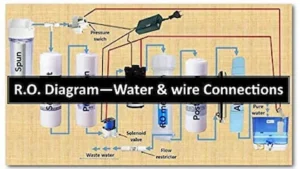
RO water purifiers are essential for clean drinking water in Indian homes, but their power consumption often flies under the radar. If you’re wondering how much electricity does an RO water purifier use daily, the answer depends on its components—especially the SMPS. This guide reveals RO water purifier power hacks, why an efficient SMPS for RO purifier matters, and how it slashes your electricity bills without compromising performance.
Introduction to RO Water Purifiers and Their Power Consumption
RO systems purify water using pumps, membranes, UV lamps, and valves, all powered by electricity. A typical RO purifier draws 30-40 watts per cycle, but inefficient parts lead to hidden energy waste. Over a year, this can add ₹500-1000 to your bill.
In Delhi and other urban areas with frequent power fluctuations, choosing the right power supply is crucial for RO water purifier electricity savings.
What Is SMPS in RO Water Purifiers and Why It Matters
Understanding SMPS: Switched-Mode Power Supply Explained
SMPS full form is Switched-Mode Power Supply. It converts AC mains power (220V) to stable low-voltage DC (24V or 36V) for your RO pump and electronics. Unlike bulky transformers, SMPS uses high-frequency switching for 90-95% efficiency, minimizing waste heat.
SMPS vs Transformer in RO Purifiers: Key Differences
| Feature | Traditional Transformer | Efficient SMPS |
| Efficiency | 60-70% (high heat loss) | 90-95% (low energy waste) |
| Size & Weight | Heavy and bulky | Compact and lightweight |
| Voltage Stability | Poor during fluctuations | Excellent regulation |
| Cost Over Time | Higher bills + frequent failures | Saves 20-30% on electricity |
SMPS vs transformer for RO: SMPS wins for modern homes, extending component life and reducing RO water purifier power consumption.
Why Power Efficiency Matters for RO Systems
Electricity tariffs in India rose 5-10% in 2025, making even small devices costly. An RO running 2-3 hours daily with poor SMPS can consume 0.2-0.5 units/day—that’s ₹200-400 yearly extra.
Efficient power management ensures stable voltage, preventing pump strain and membrane damage.

How Efficient SMPS Saves Electricity in RO Purifiers
- Minimal Power Loss: Converts energy with <5% waste, unlike transformers’ 30% loss.
- Reduced Heat: Cooler operation means no extra fan power or cooling needs.
- Stable Output: Handles voltage spikes (common in India), optimizing pump efficiency.
Result? 20-30% lower RO power consumption, directly cutting bills.
Top RO Water Purifier Power Hacks for Maximum Savings
- Match SMPS Rating: Use 24V/2A for 10-15 LPH RO; avoid undersized units.
- Ditch Cheap SMPS: They leak power—opt for ISI-marked ones.
- Pair with Efficient Pump: Combine with low-wattage pumps (25-35W) for synergy.
- Auto-Cutoff Feature: Stops power draw when tank is full.
- Solar Compatibility: Efficient SMPS integrates with solar inverters for zero-grid use.
These hacks can save ₹1000+ annually on RO water purifier electricity bill.
Impact of Efficient SMPS on RO Components
- RO Pump Protection: Steady 24V prevents overheating, doubling lifespan.
- Membrane Longevity: Consistent pressure reduces fouling, lasting 2-3 years longer.
- UV Lamp Stability: Reliable power ensures full germ-kill cycles.
Overall, it boosts RO system reliability, minimizing service calls.
Busting Common Myths on RO Power Consumption
- Myth: RO uses more power than a fan. Fact: Efficient models use less (0.2 units/day vs fan’s 0.5).
- Myth: Cheap SMPS performs same. Fact: They spike power draw by 15-20% due to poor regulation.
- Myth: SMPS doesn’t affect water quality. Fact: Stable power ensures optimal filtration.
Signs Your RO SMPS Is Wasting Electricity
- Overheating (touch-test: >50°C).
- Buzzing or humming noises.
- Frequent auto-shutoffs or slow purification.
- Rising electricity bills despite same usage.
Replace immediately to avoid RO purifier power wastage.
How to Choose the Best Energy-Efficient SMPS for RO Purifier
Key Specs for Efficient SMPS
- Efficiency: >92%.
- Output: Ripple-free DC (±5%).
- Protections: Overload, short-circuit, surge.
- Certifications: ISI, BIS, CE.
Match with RO Capacity
- 8-12 LPH RO: 24V/1.5-2A SMPS.
- 15-25 LPH: 36V/2-3A.
Top picks: Brands like Aquaguard, Kent with built-in efficient SMPS.
Environmental and Cost Benefits
Efficient SMPS cuts your carbon footprint by reducing grid power use—equivalent to planting 5 trees yearly per household.
Short-term: ₹500-800 upfront. Long-term: ₹1500/year savings + low maintenance.
Installation and Maintenance Tips for RO Power Efficiency
- Install in ventilated spot (away from heat).
- Clean dust quarterly.
- Test voltage with multimeter annually.
- Use stabilizers only if grid is unstable—good SMPS handles minor fluctuations.
Future of RO Water Purifiers: Smart SMPS and Beyond
Smart SMPS with IoT auto-adjusts power, integrates with solar, and apps track RO power usage. Expect 2026 models with <20W standby.
Conclusion: Upgrade to Efficient SMPS for Smarter RO Use
An efficient SMPS transforms your RO from power guzzler to saver. It ensures pure water, stable performance, and lower bills. Ready to optimize? Check your RO’s SMPS today.
Frequently Asked Questions (FAQs)
- How much electricity does an RO water purifier consume daily?
0.2-0.3 units with efficient SMPS; up to 0.5 with poor ones. - Can changing SMPS reduce RO electricity bill?
Yes—savings of 20-30% or ₹1000/year. - Is SMPS better than transformer for RO purifier?
Yes, higher efficiency and stability. - How long does RO SMPS last?
3-5 years; longer with maintenance. - Does SMPS affect RO water quality?
Indirectly—stable power enhances filtration.